


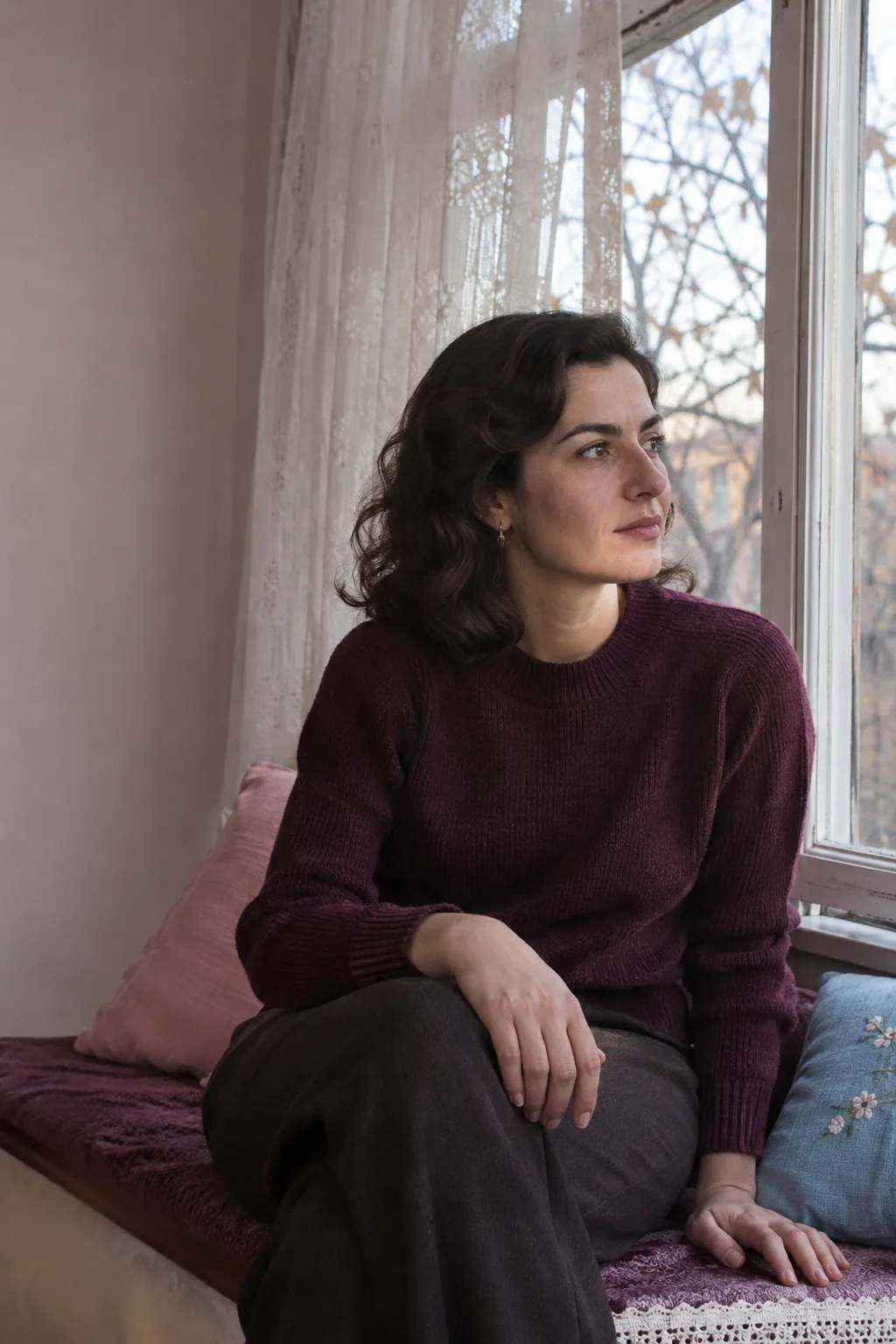
Deniz Özer
Clinical Psychologist (MSc)
Couples therapy and relationship-focused individual sessions; couples in crisis or at a crossroads.
Ankara, Çankaya and online
Couples therapy, premarital counselling and relationship-focused sessions. In our office in Çankaya, Ankara, or online.
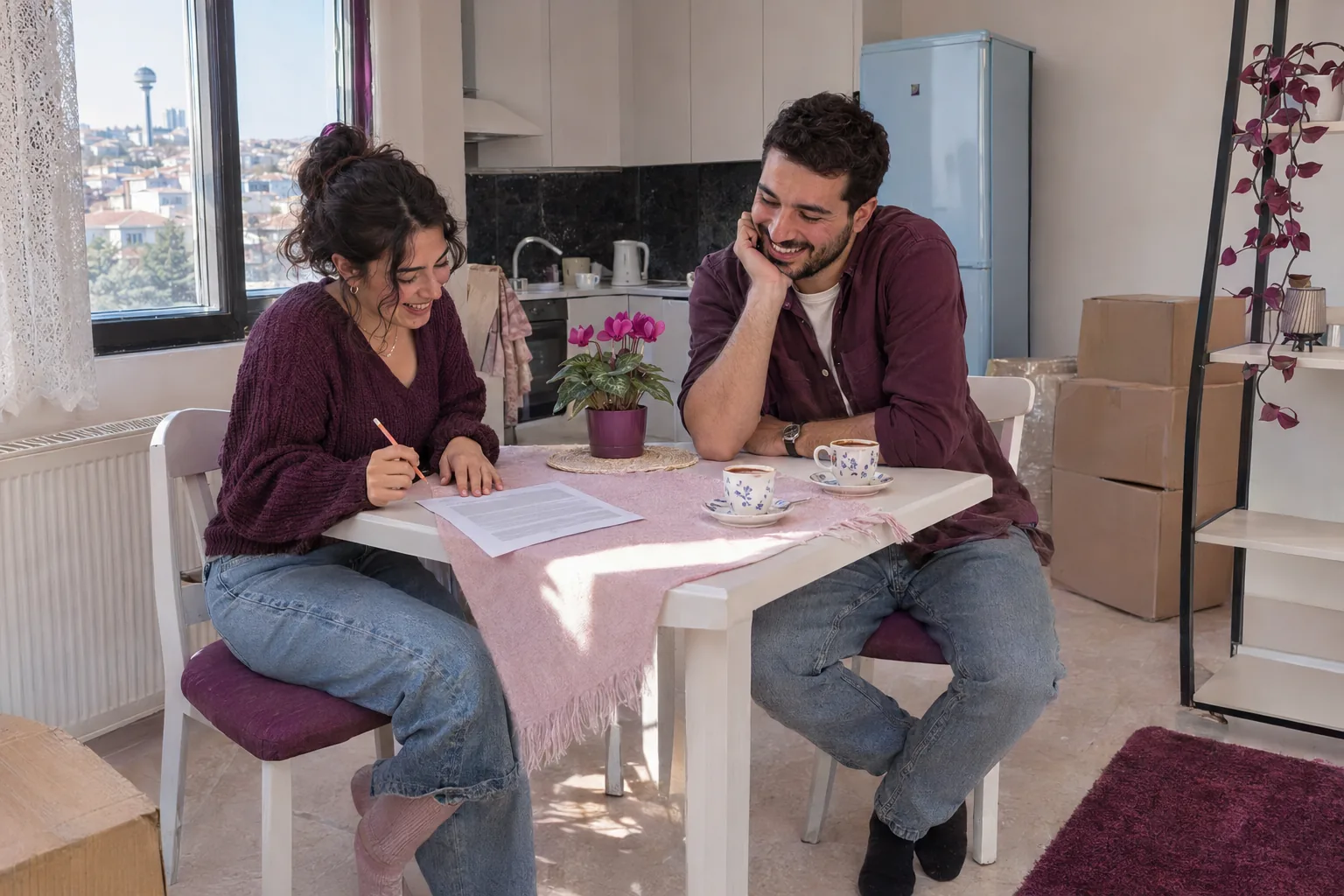
We both want to be understood.
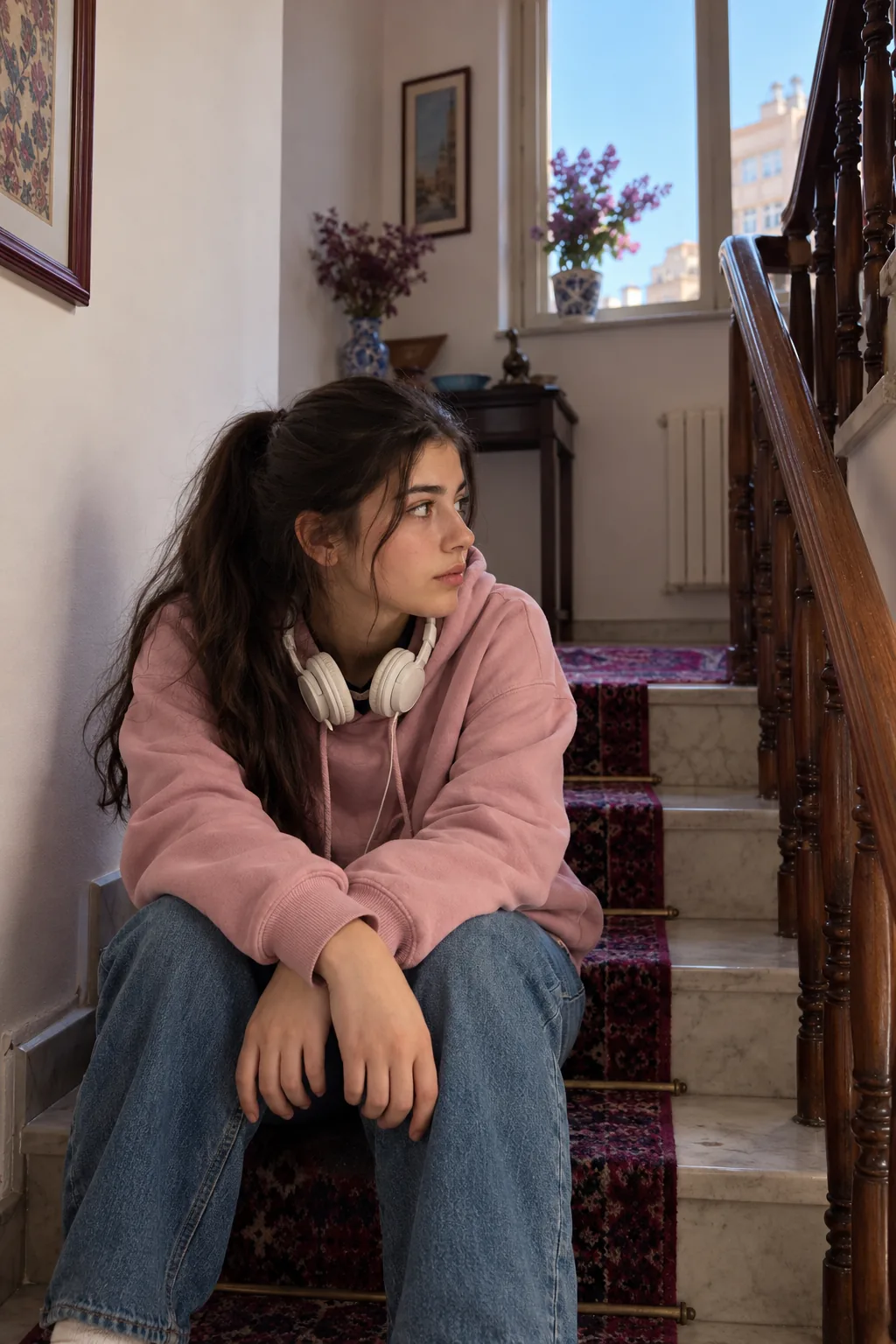
Ankara, Çankaya and online
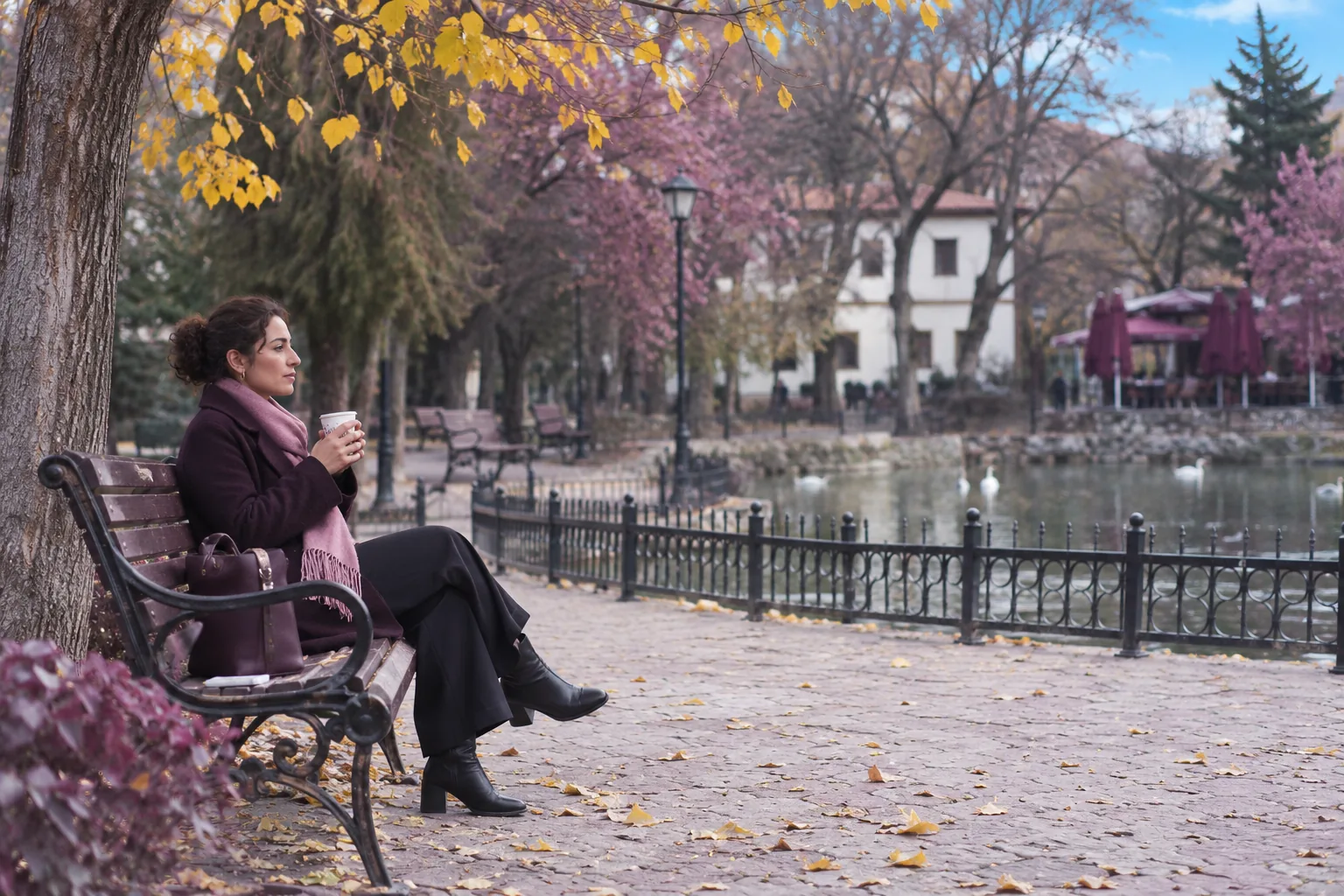
Same house, different languages.
Talking with teenagers, sibling relationships, boundaries with grandparents: in family counselling everyone has a chair.
Meeting at the table again.

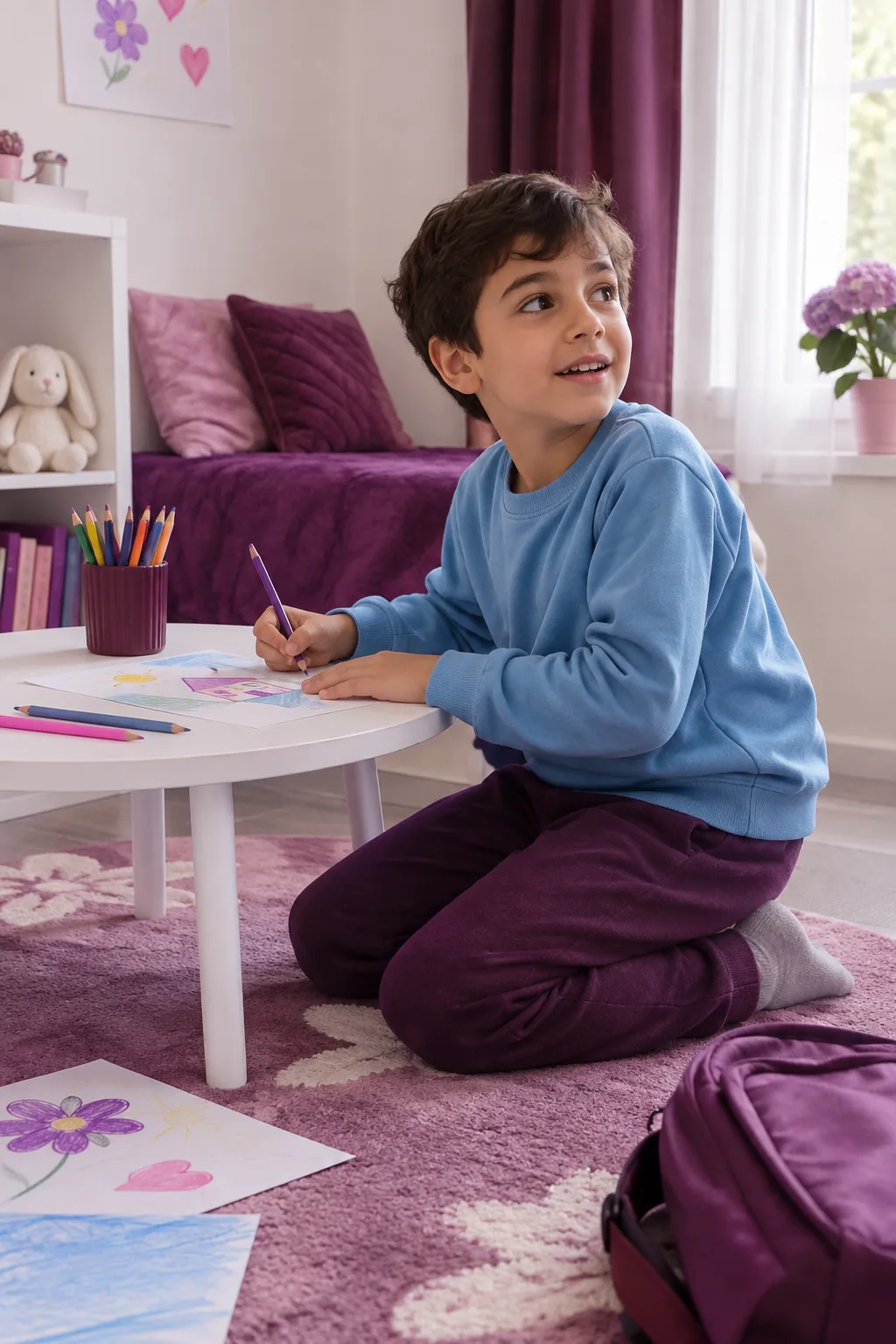
Ankara, Çankaya and online
A marriage may end, parenthood goes on.
Building a two-home childhood during separation or divorce: a co-parenting plan, telling the children, handover days.
The same safety in both homes.
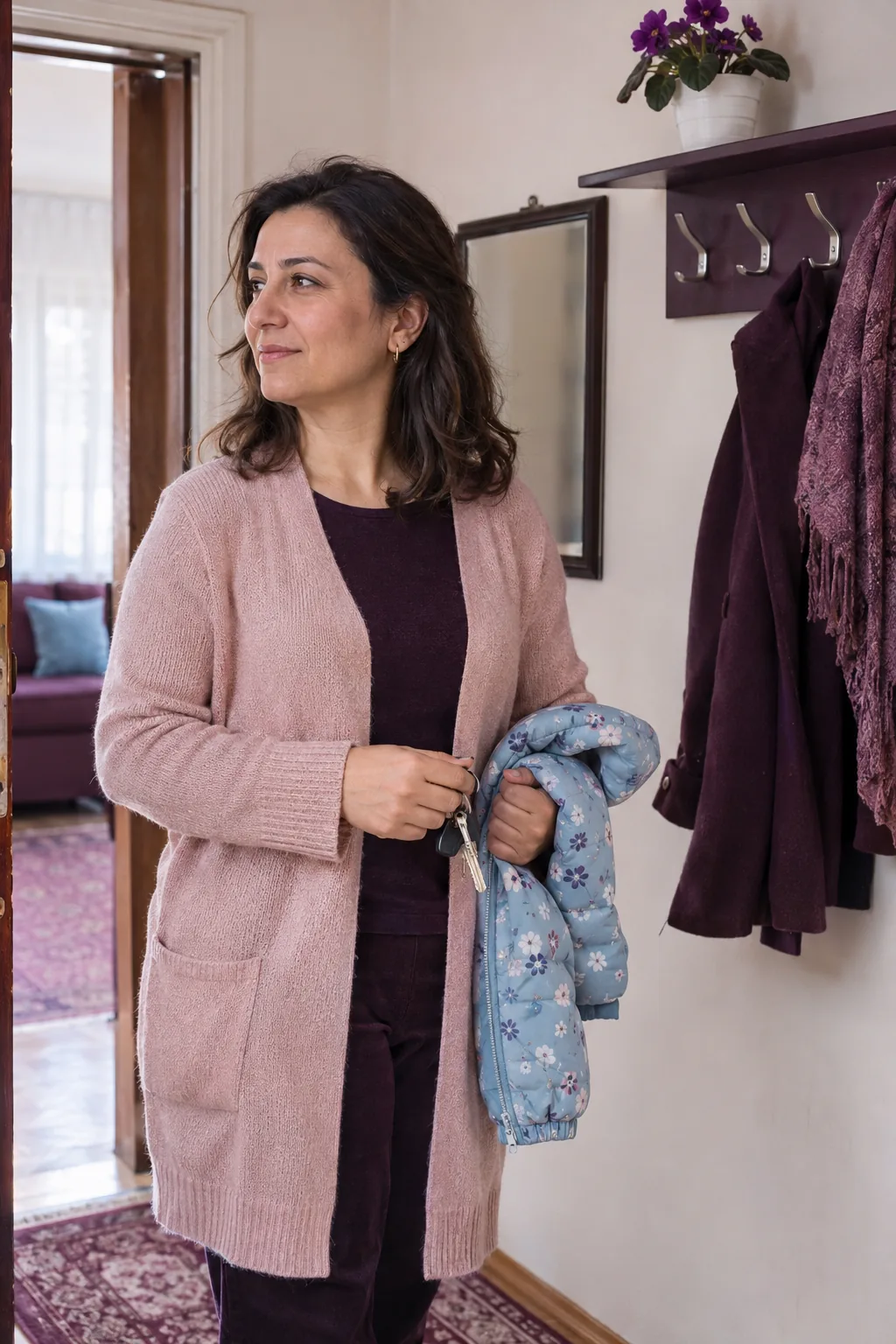
Can Özer, Psychological Counsellor · Deniz Özer, Clinical Psychologist (MSc)Both sides are heard
In a session we do not decide who is right. Together we look for what each of you says, what each of you cannot say, and a sentence you can both stand behind.
Housework
One partnerI am the one who has to remember everything.
Common groundWe both want to be seen.
The other partnerWhatever I do, it is never enough.
Arguments
One partnerI want to talk, and she walks out of the room.
Common groundWe want to stop the cycle, not just the fight.
The other partnerWhen voices rise, I cannot breathe.
Separation and children
One partnerThe children are more settled when they stay with me.
Common groundWe want our children to feel safe in both homes.
The other partnerI do not want to be a weekend dad.
Teenagers and family
One partnerHe never leaves his room and will not talk to us.
Common groundTo be able to talk at the dinner table again.
The other partnerWhatever I say, they lecture me.
The sentences on these cards are not client quotes; they are lines we hear often in sessions and that many people will recognise.
Four short questions: who it is for, who will come, how you would like to meet and what you need most right now. At the end you see the session, the counsellor and the first step that fit you.
Clinical Psychologist (MSc)
Couples therapy and relationship-focused individual sessions; couples in crisis or at a crossroads.
When we work with a couple, we do not both need to be in the room; but we think through every case together.
Deniz leads couples therapy and relationship-focused individual sessions; Can leads family counselling, parenting through separation and premarital sessions. When needed we hold joint sessions, and we meet every week for case review.
Meet us
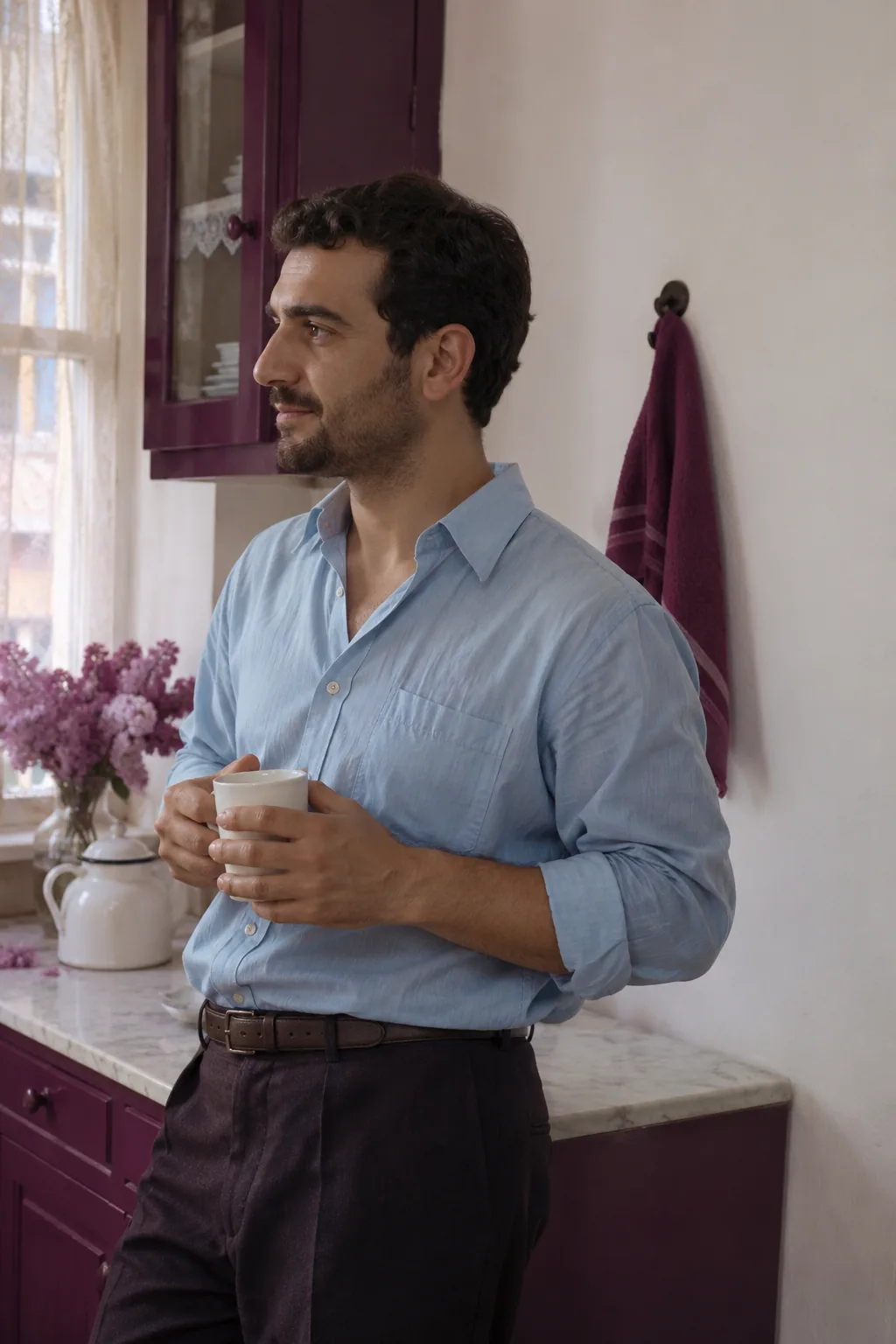
Psychological Counsellor, Family Counsellor
Family counselling, parenting through separation and premarital counselling.
This is how the lines run in couples therapy. We also see each of you separately, but the work continues at the shared table.
Together
15 minutes by phone: we listen briefly to what is going on, suggest a suitable session and answer your questions.
Together
The two of you together: why you have come now, what you hope for and how we will work.
One partner
Each of you once on your own: your own story, your family, what you want from the relationship.
The other partner
The same questions, for the other partner.
Together
Weekly or every two weeks, together; with a mid-point review, you set the direction with us.

Small groups, in person or online. Each event has its own page with a sign-up form.
Workshop · In person · 10:30–14:30
Seminar · Online · 20:00–21:30
Group meeting · In person · 19:00–21:30
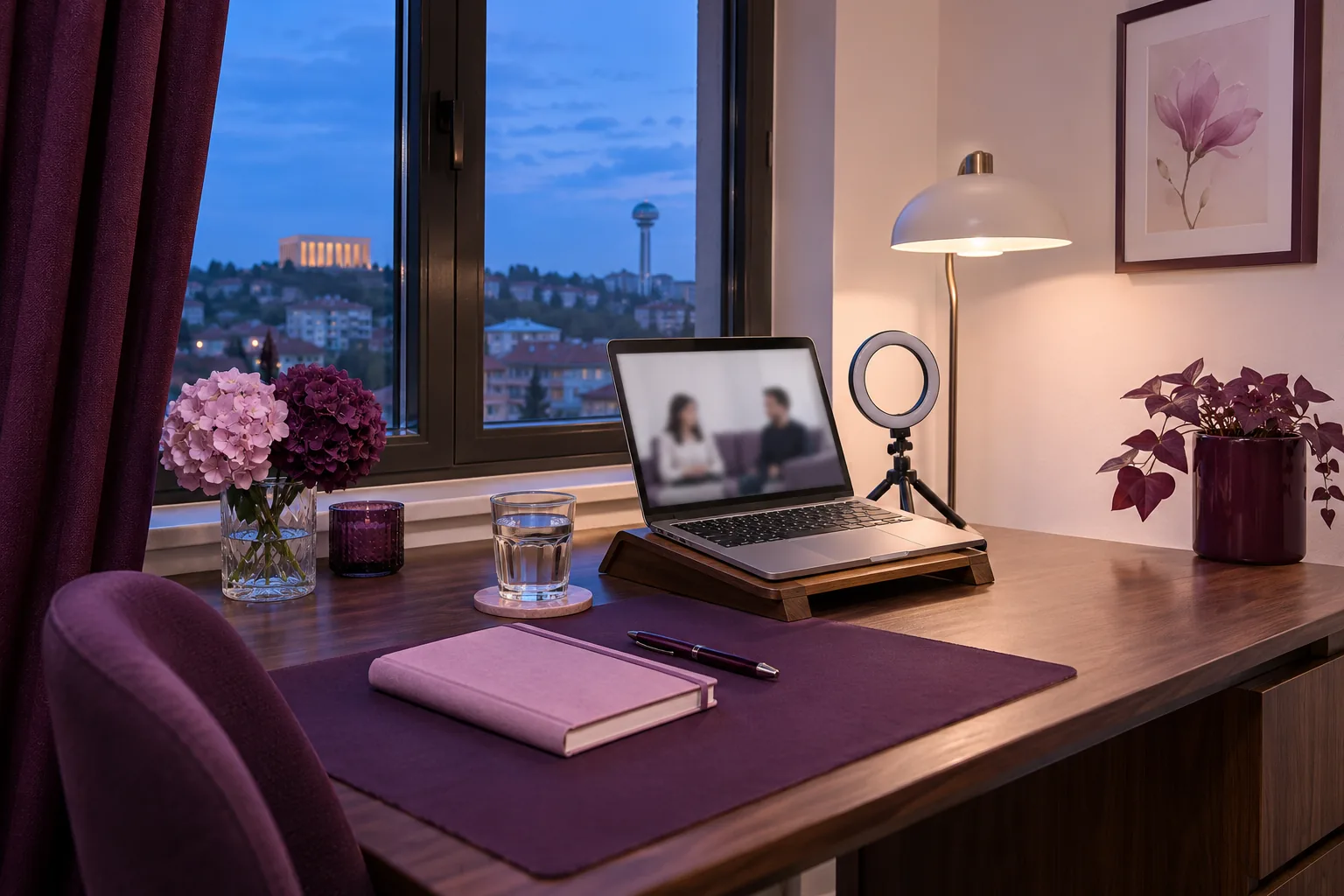
For couples outside Ankara or living in different cities, we hold sessions online. Couples can join from the same computer or from two separate places.
By Deniz Özer
One evening it is the dishes, another evening a late reply to a message. If the argument always starts and ends in the same place, the problem is not the topic but the cycle running between you.
By Can Özer
While wedding planning fills up with venues, invitations and furniture lists, the conversations that matter most are often postponed. Eight topics I suggest putting on the table before you marry, and how premarital counselling works.
QuestionMy partner doesn’t want to come. Can I start alone?
QuestionWill what I say in an individual session be shared with my partner?
QuestionHow many sessions does couples therapy take?
QuestionDoes the therapist take sides?
Free, 15 minutes, by phone
In a short phone call we listen to what is going on and decide together which session and which counsellor suit you. You do not have to commit to anything.
Cookies
This site only uses cookies that are necessary for it to work.Cookie Policy