How do you tell a child about a separation?
Once the decision to separate is made, the hardest moment for many parents is telling the child. On telling them together, using age-appropriate language, naming what will not change and not making the child a messenger.
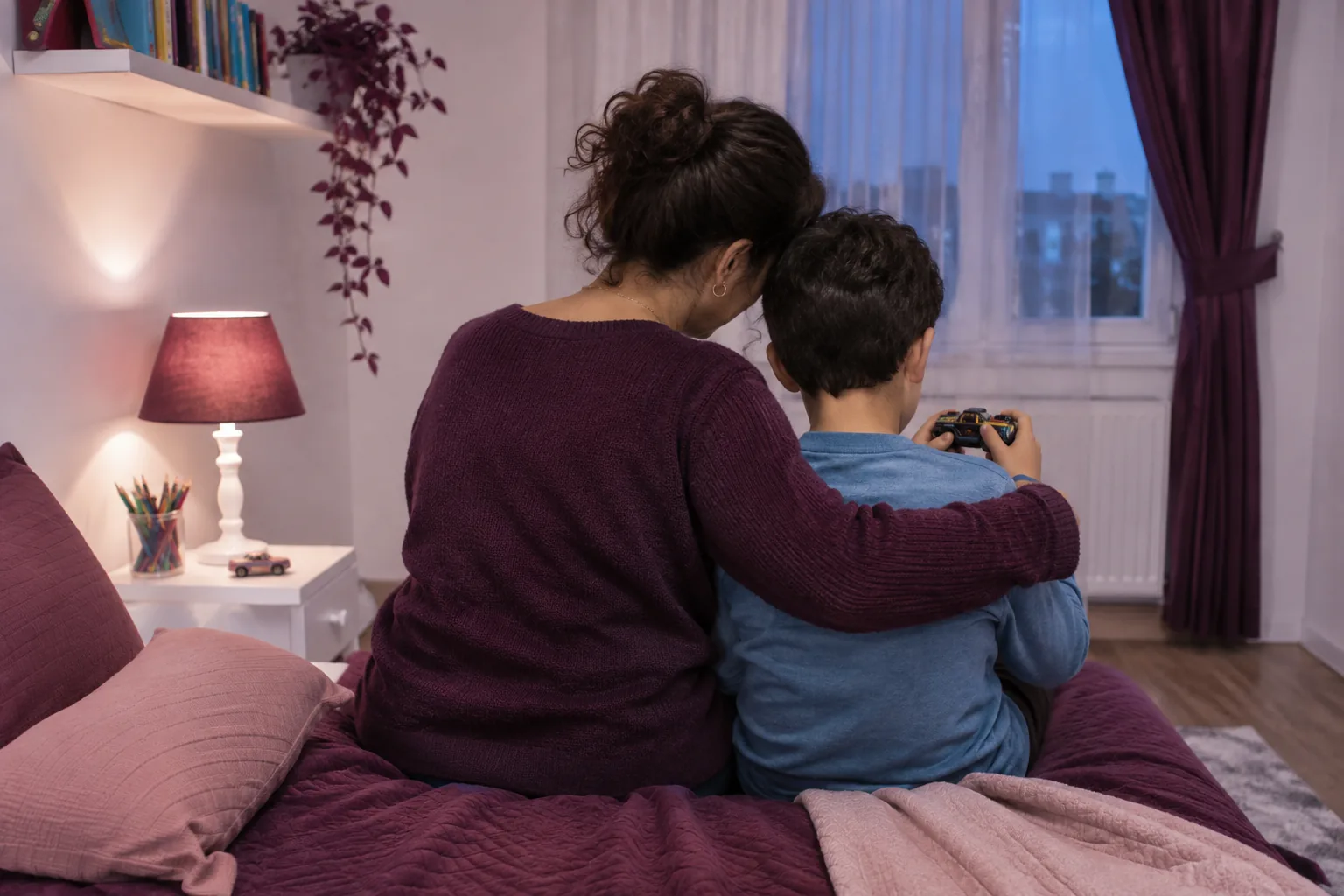
The first question separating parents bring to the office is usually the same: "What do we tell our child?" Some postpone the conversation for weeks. Others assume the child has already sensed something and hope it will be understood without words. Children often notice tension at home earlier than adults think. A change they can feel but no one explains can be more frightening than an open conversation.
Here is how you might prepare for that conversation. Every child and every family is different, so read this not as a checklist but as points to think about.
Agree with each other first
Before you talk, decide together as parents what you will say. You may disagree about the reasons for the separation; that is natural. But you need to agree on the sentences your child will hear. A short shared script helps: what has been decided, what will change and when, where the child will live and how often they will see the other parent.
There is no need to explain the reasons in detail. The marriage is an adult matter. What a child needs is to know what will happen and that they are safe. A simple sentence such as "We can't be happy together any more, and we've decided to live in separate homes" is often enough.
Tell them together
If possible, have the conversation together. When a child sees both parents in the same room saying the same thing, they understand it was a shared decision. That heads off the question "Who left whom?" and eases the feeling of having to choose a side. If you have more than one child, tell them all together first, so none has to carry a secret, and then talk to each one separately at their own level.
Think about timing. Choose a day when you can spend time together afterwards, not just before an exam or a birthday. Do not rush off somewhere straight after the talk.
Language by age
Pre-school (roughly 3–6)
Young children cannot fully grasp time or abstract ideas. Use short, concrete, repeatable sentences: "Dad will live in another house now. On Saturdays you'll go to his house. You'll stay here with Mum; your room and your toys stay here." They may ask the same question many times, not because they do not understand but because hearing it again reassures them. Small regressions such as bedwetting or sleep problems can appear and are often temporary. If they last or worry you, consult a child mental health professional.
Primary school (roughly 6–11)
Children this age want more detail: "Will I change schools? Who will I celebrate my birthday with? Where will the cat live?" Take their questions seriously. If you do not know something, "We don't know yet, and when we decide you'll be the first to hear" is better than an invented answer. They may hope their parents will get back together; gently make clear that the decision is lasting, without crushing them.
Teenagers (roughly 12 and up)
Teenagers may ask more about reasons, show anger openly, or seem not to react at all. Both are common. Give honest but limited information. Ask for their view, especially on schedules and living arrangements, while keeping it clear that the decision is the adults' responsibility.
Tell them it is not their fault
Children, especially young ones, may believe that whatever happens at home is somehow about them, and never say so. Say it plainly: "This decision is not because of you. Nothing you did caused it, and nothing you do has to fix it. We will always love you." Saying it once is not enough; repeat it over the following weeks and months.
Name what will not change
Uncertainty is what wears children down most. Alongside what will change, tell them concretely what will stay the same:
- Your school and your teacher stay the same.
- You'll keep going to basketball practice on Mondays and Thursdays.
- You'll see your grandmother every Sunday.
- You'll have a room or a corner of your own in both homes.
- You can call either of us whenever you want.
For younger children, a calendar showing which day is spent in which home, in colours, can help.
Do not make the child a messenger
Anger and hurt between parents are understandable, but carrying them through the child is one of the hardest things for a child. Try to avoid passing messages through them, asking them to report on the other home, speaking badly of the other parent in front of them, or asking whom they want to live with in a way that tests loyalty. Discuss disagreements where the child is not present, and seek a mediator or family counsellor if needed. Your child should be free to love both parents.
Routine in two homes
Predictability helps children most after a separation. The rules in both homes need not be identical, but rough agreement on bedtime, screen time and homework makes life easier. Changeover days are hard for many children; some grumpiness or quiet is normal. Keep handovers calm, short and warm, and never argue at the door. Let your child carry a favourite toy, blanket or book between homes.
After the conversation
This is the start of a long conversation, not a single event. Your child may come back with new questions weeks later. Help them name their feelings and allow tears and anger. If you notice lasting sleep or eating problems, a clear drop at school, withdrawal or intense anger, I suggest seeking support from a child and adolescent mental health professional.
If you would like to think through how to prepare for this conversation, a free 15-minute initial call is a chance to describe your situation briefly and talk about how parenting counselling might support you.